
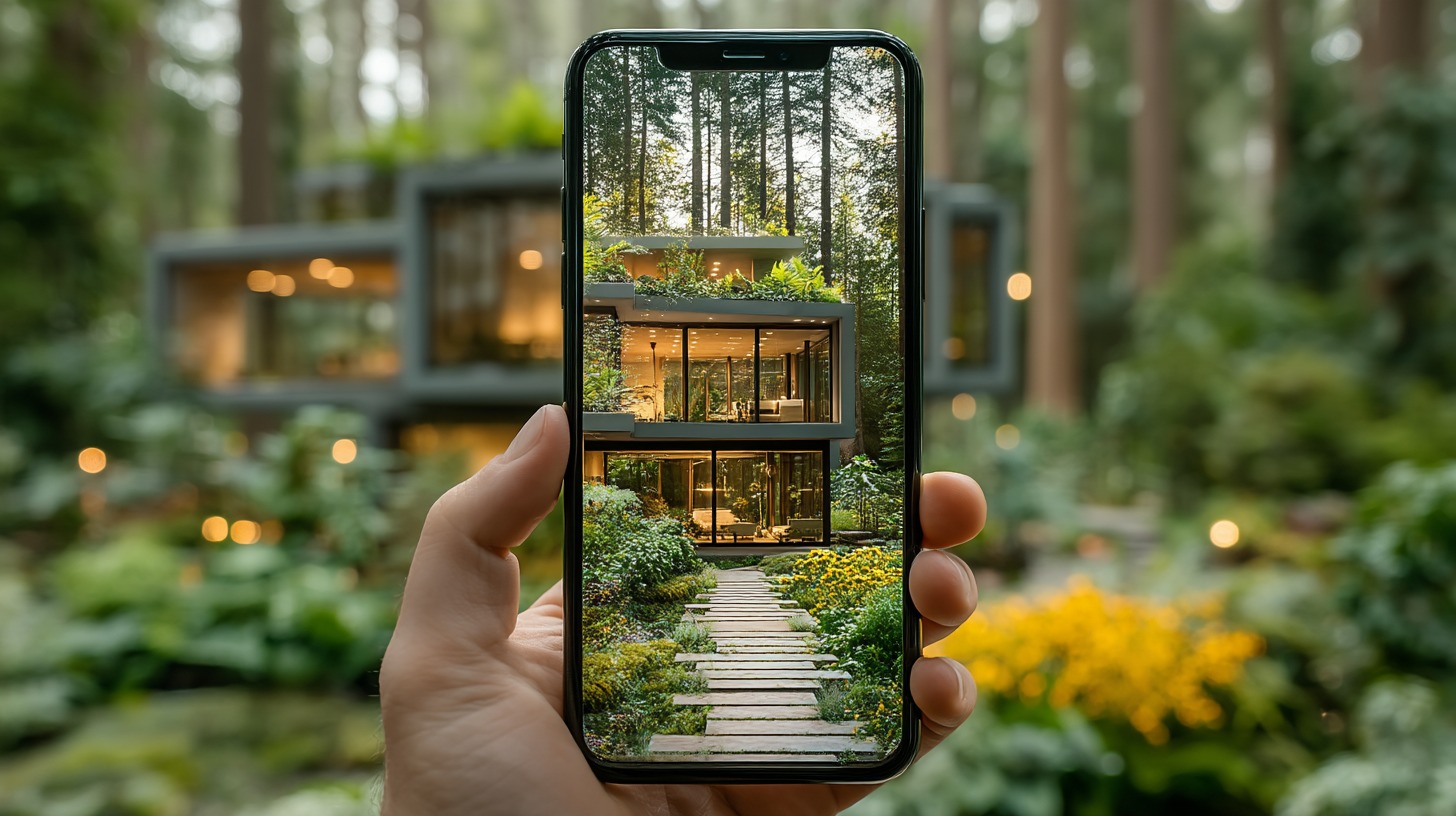
The real estate industry is undergoing a digital renaissance, and it’s happening on our phones. With mobile devices now central to how we search and communicate, real estate has naturally followed suit.
From virtual tours of luxury homes like Fahid Island properties to digital contracts, mobile apps are transforming how agents operate and how customers experience property. This shift isn’t just continuing; it’s accelerating.
Let’s explore how mobile apps are reshaping real estate and what it means for agencies, investors, and home buyers.
Why mobile real estate apps are taking over
The way people find property has changed. Buyers now expect instant access to listings, seamless communication with agents, and a browsing experience tailored to their lifestyle, all from their mobile device.
At the same time, real estate professionals are moving away from paper-heavy, desktop-based workflows. Mobile tools now allow them to manage listings, client communication, and sales processes from anywhere.
Here’s why a mobile-first approach is the new standard:
- Over 80% of property searches begin on a mobile device.
- Agents using app-integrated workflows close deals up to 30% faster.
- Buyers are twice as likely to engage with listings that offer virtual tours or video walkthroughs.
Simply put, mobile isn’t just a channel — it’s the entire experience.
Key features driving the transformation
Top real estate apps do more than just display listings; they improve the process for both buyers and agents.
1. Smart search and AI recommendations
Modern apps use behavioural data and AI to predict what users are looking for. Filters are more nuanced, letting users search by specific criteria like school zones and commute times.

2. Virtual tours and augmented reality
Instead of driving from one property to another, users can now explore homes in 360° video or use AR to place virtual furniture in a room. This technology is particularly useful for interstate and overseas buyers.
3. Real-time alerts and communication
Push notifications for new listings or price changes help buyers act quickly. Built-in chat functions also streamline negotiations and questions without needing to switch platforms.
4. Digital applications and e-signatures
From lease applications to sales contracts, paperwork is going digital. This not only speeds up the process but also reduces errors.
5. Embedded finance tools
Mortgage estimators, stamp duty calculators, and even instant loan pre-approvals are now integrated into apps, making them a comprehensive resource for buyers.
A competitive advantage for agents and agencies
Beyond user experience, mobile apps offer tangible benefits to real estate businesses:
- Faster lead conversion: Direct inquiry forms and instant notifications allow agents to respond in real time.
- More efficient operations: Schedule viewings, update listings, and manage CRM tasks on the go.
- Stronger branding: A custom-built app helps build trust and professional credibility.
- Data-driven insights: App analytics provide usage data that helps agencies refine their marketing strategies.
In today’s market, mobile tools offer a clear edge, especially for agencies aiming to scale or target younger, digitally-native buyers.
Emerging trends to watch
The next evolution of real estate apps is already here. These trends are gaining traction in 2025:
- Hyperlocal search: Apps are using geofencing to surface listings near a user’s current location, including off-market properties.
- Green home features: As more buyers become eco-conscious, sustainability filters (e.g., solar panels, energy ratings) are becoming more common.
- Voice search: Expect more buyers to ask smart assistants, “Find me a two-bedroom flat near Bondi Beach with parking.”
- Investor tools: Apps for property investors now include rental yield calculators, suburb growth insights, and market risk indicators.
- AI-powered property valuations: Some platforms now offer near-instant price estimates based on recent sales and market data.
The importance of user experience
While the technology is impressive, execution matters. The best apps prioritize:
- Fast load times.
- Clean, minimalist design.
- Clear calls-to-action.
- Mobile-friendly layouts.
- Accessibility features (e.g., captions, screen-reader compatibility).
If an app is difficult to use, people won’t use it, no matter how advanced its features are.
What this means for the industry
A mobile-first experience is now an expectation, not an option. Real estate businesses that fail to adapt risk falling behind competitors who meet customers where they are — on their phones.
For buyers and renters, this shift means a faster, more personalised property search. For professionals, it means working smarter, not harder.
The future of real estate is mobile, and the time to invest is now.